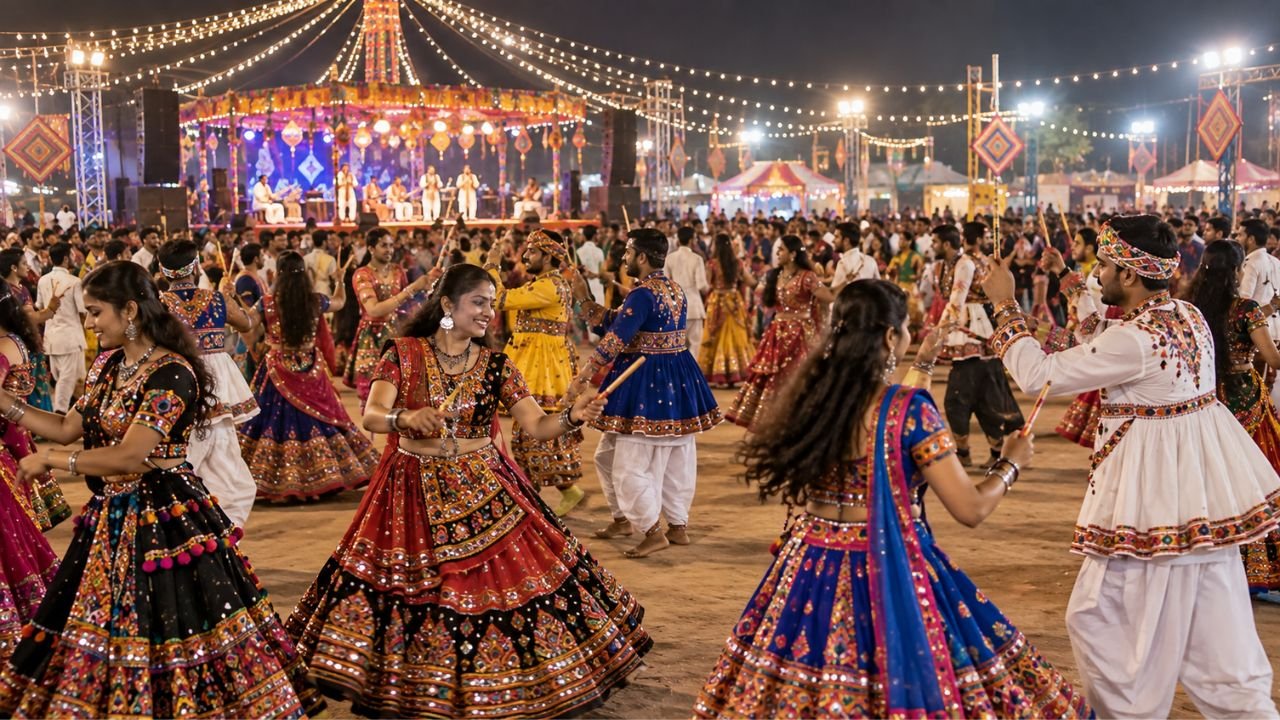
Sharad Navratri 2026 will be celebrated in Gujarat from October 11 to October 19, 2026, followed by Vijayadashami or Dussehra on October 20, 2026. This nine night festival is one of the most vibrant and spiritually significant periods in the Gujarati calendar. It brings together devotion, Garba, traditional celebrations and fasting in a way that few other festivals can match. During Navratri, many devotees observe Vrat and dedicate the nine days to different forms of Goddess Shakti. Gujarat celebrations include temple visits, evening aartis, traditional Garba and Dandiya, along with special fasting foods prepared at home. Whether you are a devotee planning temple visits or a visitor looking to experience Garba for the first time, understanding the festival dates, fasting rules, temple destinations and celebration practices can help you make the most of this festive period.
Sharad Navratri 2026 Dates
The important dates for the festival are:
| Festival | Date |
|---|---|
| Sharad Navratri Begins | October 11, 2026 |
| Sharad Navratri Ends | October 19, 2026 |
| Vijayadashami (Dussehra) | October 20, 2026 |
The Navratri period covers nine nights, followed by Dussehra on the tenth day. Each night is dedicated to a different form of Goddess Shakti, with specific prayers and rituals associated with each day. Devotees often wear different colours on each day, and many families follow traditional customs that have been passed down through generations. The festival is a time for prayer, family gatherings and community celebrations across Gujarat.
Navratri Fasting Rules and Food
Many devotees observe fasting during Navratri as part of their spiritual practice. Strict fasting involves avoiding several commonly used foods and ingredients. The fasting rules include avoiding:
- Wheat
- Rice
- Lentils
- Regular salt
- Onions
- Garlic
- Alcohol
Devotees following these rules use rock salt or Sendha Namak instead of regular salt for cooking. This change in salt type is an important part of the traditional fasting practice during Navratri. Many families also avoid eating grains and certain spices during this period. The idea behind the fast is to keep the body light and the mind focused on prayer and devotion.
What to Eat During Navratri Fast
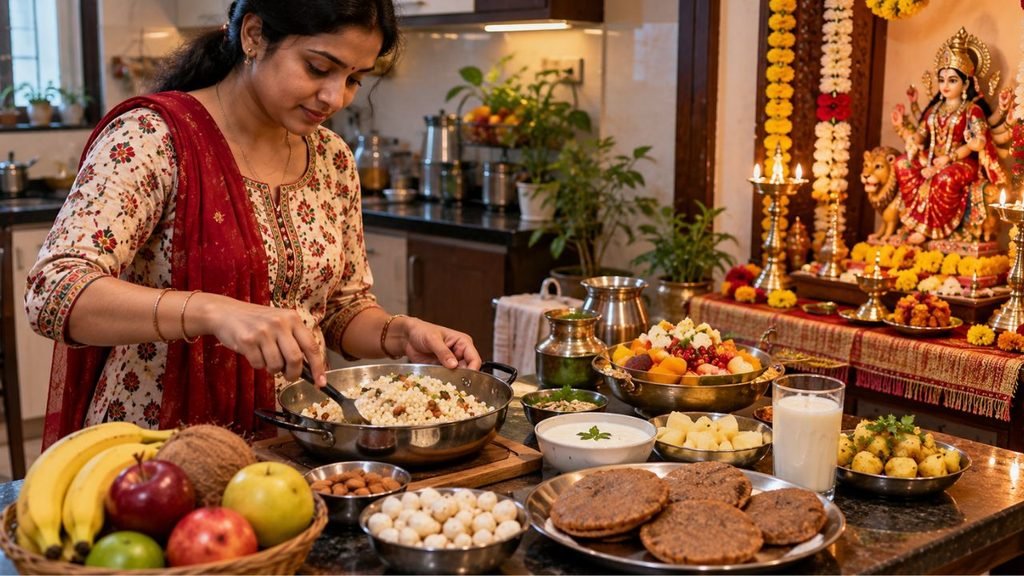
Traditional fasting foods for Navratri include:
- Sabudana Khichdi
- Kuttu Puri
- Singhare ka Halwa
- Fresh fruits
- Milk
- Makhana
- Potatoes
Sabudana Khichdi is prepared using tapioca pearls, while Kuttu Puri is made using buckwheat flour. Singhare ka Halwa uses water chestnut flour. These foods form part of the traditional fasting diet and are designed to provide energy while respecting the fasting rules. Many families prepare these dishes at home during the nine days, and they have become an important part of the Navratri food culture in Gujarat.
Dussehra Food Tradition
The morning of Dussehra on October 20 is associated with a special food tradition in Gujarat. People celebrate the occasion by eating hot and crispy Fafda and Jalebi from local sweet shops. This food tradition adds another festive element to the celebrations following the nine nights of Navratri. Many families visit their favourite sweet shop early in the morning on Dussehra to buy fresh Fafda and Jalebi. The combination of the crispy Fafda and the sweet Jalebi makes this a much awaited treat for people of all ages.
Must Visit Temples During Navratri
Navratri is also a time for devotees to visit important temples and Shakti Peethas. Several temples in Gujarat are highlighted for their significance during this period.
Ambaji Mata Temple
Located in the Aravalli Hills, Ambaji Mata Temple is described as one of the revered 51 Shakti Peethas. During Navratri, pilgrims visit the temple, with many undertaking Pad Yatra. The temple also hosts evening aartis and traditional folk performances during the festival period. The atmosphere at Ambaji during Navratri is filled with devotion and energy, making it a memorable experience for visitors.
Kalika Mata Temple
Kalika Mata Temple is located on a high hill and experiences a large flow of devotees during Navratri. The temple morning and midnight rituals are highlighted as important parts of the festival experience. Many devotees plan their visit to coincide with these special rituals to seek the blessings of the Goddess during the auspicious period.
Bahucharaji Temple
Bahucharaji Temple is dedicated to Goddess Bahuchara. During the nine nights of Navratri, the temple holds daily Durga Saptashati recitations and traditional bhajan sandhyas. Devotees gather in large numbers to participate in these devotional activities and to offer their prayers during the festival.
Chamunda Mata Mandir
Chamunda Mata Mandir is located on a hilltop in the Surendranagar district. The temple is highlighted as an important site for evening aartis during Navratri. The hilltop location adds to the spiritual atmosphere, and many devotees make the journey to participate in the evening prayers.
Best Timing to Experience Navratri
The festival schedule can be divided between temple visits during the day and Garba celebrations at night.
Temple Timings
The suggested temple visiting periods are 5:00 AM to 11:00 AM and 6:00 PM to 8:00 PM. Early morning visits provide an opportunity to experience Ghatasthapana and morning prayers. The evening period is associated with temple aartis and devotional activities. Visiting temples during these hours allows devotees to participate in the full range of rituals and seek blessings during the festival.
Garba Timing
Garba celebrations take place mainly from around 9:00 PM to 2:00 AM or later. The activity becomes more energetic after 10:30 PM, when dancers form synchronized circles and dance to live folk orchestras. Vadodara and Ahmedabad are highlighted for hosting major celebrations. Many people attend Garba events after finishing their temple visits, making it a full day of devotion and celebration.
What to Wear for Gujarat Garba
Traditional attire is an important part of the Garba experience. Women commonly wear embroidered and mirror work Chaniya Cholis. Men wear traditional Kediyus and Dhotis or kurtas. The dress code at most Garba venues requires ethnic wear, and this adds to the cultural richness of the celebrations. Wearing traditional clothes is not just a matter of style, it is a way of participating in the festival traditions and showing respect for the cultural heritage of Gujarat.
Dandiya Sticks
People planning to participate in Dandiya dance circles can carry their own pair of polished wooden or metallic Dandiya sticks. Dandiya sticks are used during the traditional dance activity alongside the music and group celebrations. Carrying your own pair can be convenient, especially if you plan to attend multiple Garba events during Navratri. Many venues also sell Dandiya sticks on site, but bringing your own ensures you are ready to join the dance circle whenever you want.
Hydration and Energy During Navratri
Fasting combined with several hours of energetic dancing can be physically demanding. It is important to keep your body hydrated and energised throughout the festival. The practical suggestions include carrying:
- A reusable water bottle
- Electrolyte powder
- Small packs of dry fruits
- Fox nuts
These items can help maintain hydration and energy during long festival activities. Since many devotees fast during the day and then participate in Garba at night, maintaining proper hydration and energy levels becomes especially important. Taking short breaks and listening to your body can help you enjoy the festival without feeling exhausted.
Cash and Identification
Although digital payments are widely used, carrying some cash can be useful during the festival. Cash may be needed for local street food, parking fees and small temple offerings. Keeping identification with you is also included among the practical preparations mentioned for the festival. This ensures that you are prepared for any situation during your Navratri celebrations. Having a small amount of cash on hand can be helpful when digital payment options are not available at every stall or venue.
Comfortable Footwear
Navratri celebrations can involve spending several hours on your feet. Comfortable footwear is therefore important. Garba is traditionally performed barefoot on manicured lawns or ground surfaces, so footwear that can be easily removed can be practical. Wearing comfortable shoes to and from the venue, and then removing them before entering the dance area, is a common practice. This helps you stay comfortable throughout the evening while respecting the traditions of the festival.
Sharad Navratri 2026: Quick Guide
- Navratri begins on October 11, 2026
- Navratri ends on October 19, 2026
- Dussehra falls on October 20, 2026
- Festival duration is nine nights
- Main dance forms are Garba and Dandiya
- Fasting salt is rock salt or Sendha Namak
- Fasting foods include Sabudana Khichdi, Kuttu Puri, Singhare ka Halwa, fruits, milk, makhana and potatoes
- Dussehra food tradition includes Fafda and Jalebi
- Temple visiting periods are 5:00 AM to 11:00 AM and 6:00 PM to 8:00 PM
- Garba period is around 9:00 PM to 2:00 AM or later
- Traditional women wear is Chaniya Choli
- Traditional men wear is Kediyu, Dhoti or Kurta
- Useful items include water bottle, electrolytes, dry fruits, fox nuts, cash and identification
- Dandiya participants can carry a pair of wooden or metallic Dandiya sticks
Conclusion
Sharad Navratri 2026 in Gujarat will take place from October 11 to October 19, followed by Vijayadashami on October 20. The nine night celebration brings together fasting, temple visits, devotional activities, Garba and Dandiya. Traditional fasting foods include Sabudana Khichdi, Kuttu Puri, Singhare ka Halwa, fruits, milk, makhana and potatoes, while strict fasting rules avoid grains, lentils, regular salt, onions, garlic and alcohol. Important temple destinations for Navratri include Ambaji Mata Temple, Kalika Mata Temple, Bahucharaji Temple and Chamunda Mata Mandir. For Garba celebrations, traditional attire such as Chaniya Choli, Kediyu, Dhoti and Kurta forms an important part of the experience. Carrying water, energy snacks, Dandiya sticks, cash and comfortable footwear can also help visitors prepare for long festival hours. The celebrations continue with the Dussehra tradition of enjoying hot Fafda and Jalebi on October 20, completing the festive period.
Frequently Asked Questions
Q1. When is Sharad Navratri 2026 in Gujarat?
A1. Sharad Navratri 2026 will be celebrated from October 11 to October 19, 2026, followed by Dussehra on October 20, 2026.
Q2. What foods are avoided during Navratri fasting?
A2. Strict fasting rules include avoiding wheat, rice, lentils, regular salt, onions, garlic and alcohol. Devotees use rock salt or Sendha Namak instead of regular salt.
Q3. What are the traditional fasting foods for Navratri?
A3. Traditional fasting foods include Sabudana Khichdi, Kuttu Puri, Singhare ka Halwa, fresh fruits, milk, makhana and potatoes.
Q4. Which temples in Gujarat are important during Navratri?
A4. Important temples include Ambaji Mata Temple, Kalika Mata Temple, Bahucharaji Temple and Chamunda Mata Mandir.
Q5. What should visitors carry for Garba celebrations in Gujarat?
A5. Visitors should carry a reusable water bottle, electrolyte powder, dry fruits, fox nuts, cash, identification, comfortable footwear and a pair of wooden or metallic Dandiya sticks if participating.