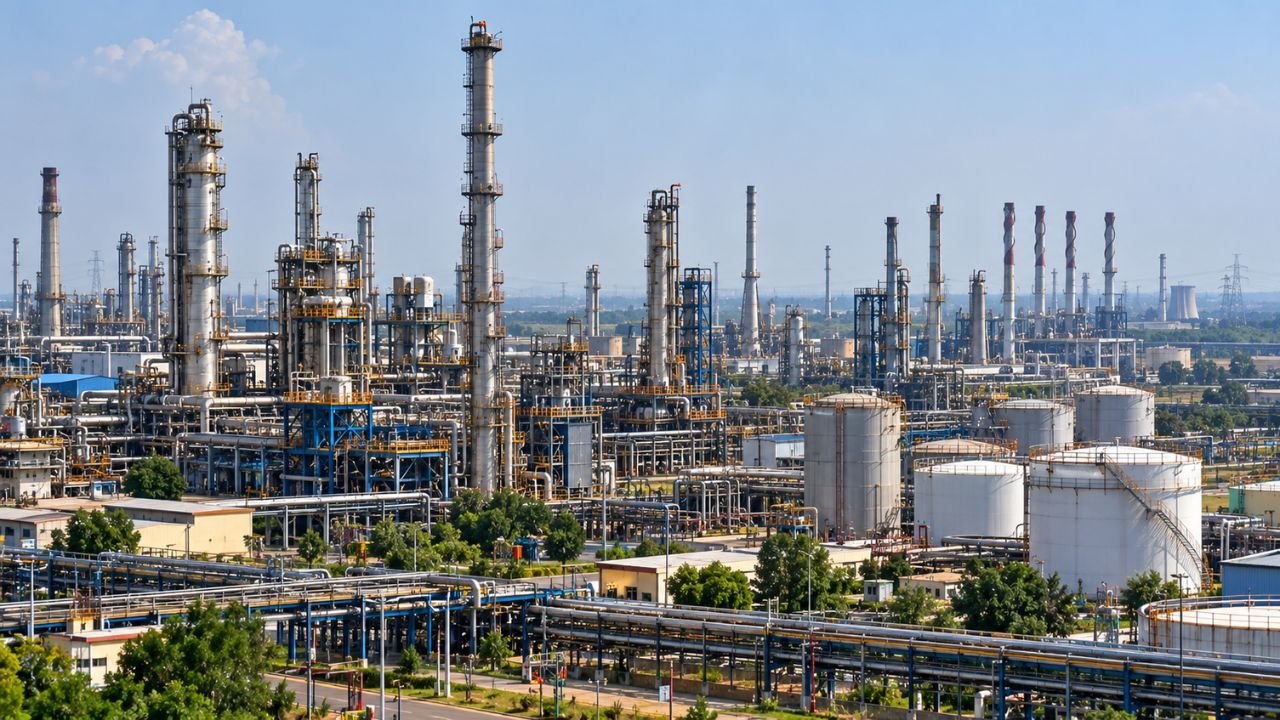
The Gujarat Refinery Expansion 2026 is a major infrastructure project being carried out by Indian Oil Corporation Limited at its Koyali refinery near Vadodara, Gujarat. The project is designed to increase the refinery crude processing capacity from 13.7 million metric tonnes per annum to 18 million metric tonnes per annum. This expansion is not just about producing more fuel. It also includes new petrochemical and lubricant related facilities, which will allow the refinery to produce a wider range of higher value products. The total estimated cost of the project is around ₹17,825 crore. The expanded refinery is expected to operate at the targeted 18 MMTPA capacity by the end of FY2026-27, with the remaining work focused on secondary processing, petrochemical facilities and overall system integration. For Gujarat, this project represents a significant upgrade to one of the state most important industrial assets.
What Is the LuPech Project
The expansion is being executed under the Petrochemicals and Lube Integration Project, known as LuPech, at Koyali in Vadodara. The project objective is to integrate the refinery crude processing operations with downstream petrochemical and lubricant manufacturing. Instead of focusing only on refining crude oil into conventional fuels, the project adds facilities for products such as polypropylene and Lube Oil Base Stock. This creates a more diversified production structure at the Koyali refinery. The idea behind LuPech is to use the refinery existing strength in crude processing as a base for producing higher value industrial products. This approach is becoming increasingly common in modern refineries because it improves profitability and reduces dependence on fuel sales alone.
Gujarat Refinery Expansion 2026: Key Details
| Feature | Details |
|---|---|
| Company | Indian Oil Corporation Limited |
| Location | Koyali, Vadodara, Gujarat |
| Existing Capacity | 13.7 MMTPA |
| Expanded Capacity | 18 MMTPA |
| Project | Petrochemicals and Lube Integration Project |
| Project Name | LuPech |
| Estimated Cost | ₹17,825 crore |
| Polypropylene Capacity | 500,000 tonnes per annum |
| Lube Oil Base Stock Capacity | 235,000 tonnes per annum |
| Targeted Full Capacity Operation | End of FY2026-27 |
Refinery Capacity to Increase From 13.7 to 18 MMTPA
One of the biggest changes under the project is the planned increase in crude processing capacity. The existing refinery capacity is 13.7 MMTPA. After completion, the target will increase to 18 MMTPA. This represents an additional planned processing capacity of 4.3 million tonnes per year. The capacity increase involves modernization of existing units as well as the development and integration of new processing facilities. This means the refinery will be able to process significantly more crude oil while also producing a wider range of products from that crude. The expansion is expected to strengthen the refinery position as one of the key petroleum processing facilities in western India.
₹17,825 Crore Gujarat Refinery Project
The total estimated investment in the expansion is approximately ₹17,825 crore. The investment covers several parts of the project, including refinery modernization, additional processing facilities, petrochemical production and lubricant related infrastructure. As a result, the project represents a broad upgrade of the Koyali refinery rather than simply an increase in crude processing capacity. The large investment reflects the scale of the work involved in integrating new facilities with the existing refinery operations. This spending is expected to have a positive impact on the local economy through construction activity, employment and supporting industries.
Major Components of the Gujarat Refinery Expansion
The LuPech project contains several important components, each of which plays a role in the overall expansion.
Polypropylene Plant
A new Polypropylene plant is being developed with a production capacity of 500,000 tonnes per annum. Polypropylene is used in a wide range of products and industries, including plastics, packaging and automotive applications. The addition of this plant gives the Koyali complex an expanded role in petrochemical production. Polypropylene is one of the most widely used polymers in the world, and the new plant will allow the refinery to supply this important material to industries across India.
Lube Oil Base Stock Unit
The project also includes a Lube Oil Base Stock unit with a planned capacity of 235,000 tonnes per annum. Lube Oil Base Stock is used in the production of lubricants. This facility adds another downstream product category to the refinery existing operations. Lubricants are essential for engines, machinery and industrial equipment, and the new unit will help meet the growing demand for high quality lubricants in India.
Crude Unit Revamping
Existing refinery units are also being upgraded as part of the expansion. The project involves upgrading secondary processing facilities and replacing older, lower capacity atmospheric distillation units with a streamlined, higher capacity crude processing arrangement. These changes are intended to support the refinery larger processing capacity. The revamping work is important because it allows the refinery to handle a wider range of crude grades while maintaining efficient operations.
How the Expansion Changes Koyali Refinery Operations
The Gujarat Refinery expansion is designed to make the Koyali complex more integrated. The refinery will have greater capacity to process crude while also producing petrochemical and lubricant related products. The upgraded configuration is also designed to handle a greater proportion of heavier and higher sulphur crude grades. This provides additional flexibility in crude sourcing and refinery operations. The integration of refining and downstream manufacturing is one of the main features of the LuPech project, and it is expected to improve the overall efficiency and profitability of the refinery.
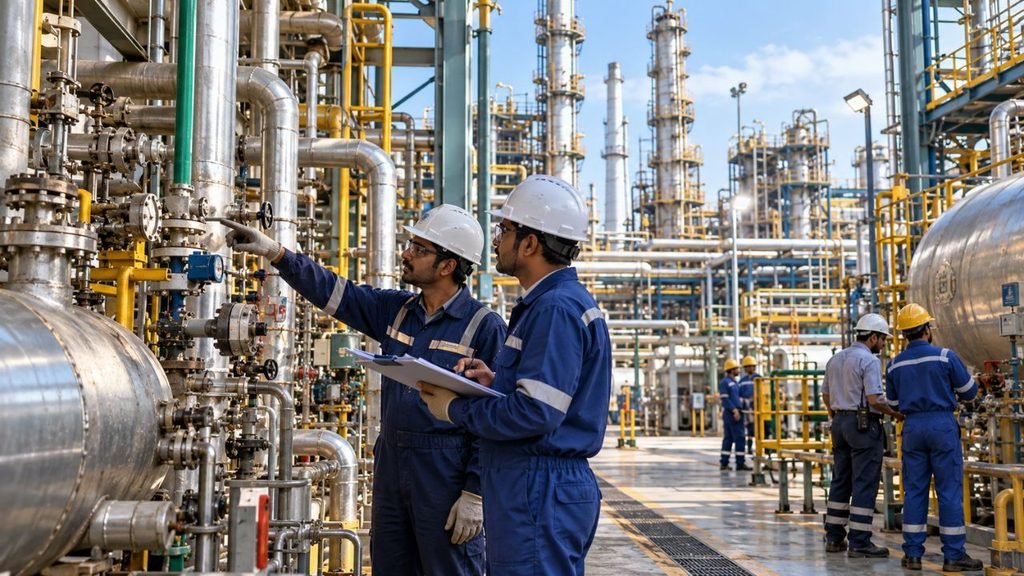
Focus on Petrochemical Production
Petrochemicals are an important part of the expansion. The new polypropylene plant will produce a major industrial polymer used in several downstream applications. The project therefore moves part of the refinery focus beyond traditional fuels and toward petrochemical products. This integration of refining and downstream manufacturing is one of the main features of the LuPech project. As the demand for petrochemical products continues to grow in India, the Koyali refinery will be well positioned to meet this demand.
Gujarat Refinery Crude Sourcing
The Koyali refinery uses a combination of domestic and imported crude. The sourcing mix described for the project is:
| Crude Source | Approximate Share |
|---|---|
| Domestic | 30 percent |
| Imported | 70 percent |
Domestic crude is sourced from oil fields in North Gujarat and South Gujarat. Imported crude comes from international sources, including the Middle East, the United States, Russia and Venezuela. The diversified sourcing structure allows the refinery to work with different crude grades and adapt to changes in global oil markets.
Processing Heavier and Higher Sulphur Crude
Another objective of the modernization is to improve the refinery ability to process different types of crude. The upgraded configuration can handle a higher proportion of heavier, cheaper and higher sulphur crude grades. This provides the refinery with greater flexibility when selecting crude supplies. The modernization therefore combines increased capacity with changes to refinery processing capabilities. This flexibility is important because global crude markets are constantly changing, and refineries that can process a wider range of crude grades are better positioned to manage costs.
Expected Operational Benefits
The Gujarat Refinery expansion has several operational objectives.
- Higher Value Products: The addition of petrochemical and lubricant facilities allows the refinery to produce products beyond conventional fuels. Polypropylene and Lube Oil Base Stock are important additions to the refinery product portfolio
- Greater Crude Flexibility: The upgraded refinery configuration is designed to process a wider range of crude grades. This can give the refinery greater flexibility in sourcing and processing crude
- Support for Fuel Demand: The expanded refinery is also intended to increase the availability of conventional fuel products such as petrol, diesel and LPG for markets in western and northern India
- Product Diversification: The project adds new production categories while increasing the refinery overall processing capacity. This creates a combination of refining, petrochemical and lubricant production within the Koyali complex
Gujarat Refinery Expansion Timeline
The project is being implemented in two main phases.
Phase 1: Completed
The first phase focused on the shutdown and physical revamping of primary crude units along with secondary refinery units. This stage involved major modifications to existing refinery infrastructure. Completing this phase was an important step because it prepared the refinery for the larger processing capacity and new facilities that would follow.
Phase 2: Ongoing
The second phase includes the installation of remaining secondary processing blocks, petrochemical facilities and final system integration. The full 18 MMTPA commercial dispatch is targeted by the close of FY2026-27. This phase is important because the new petrochemical and lubricant facilities need to be integrated with the expanded refinery system. Once complete, the refinery will be able to operate at its full targeted capacity.
Gujarat Refinery and Petrochemical Integration
The LuPech project brings several industrial operations together at the Koyali complex. The expansion includes:
- Higher crude processing capacity
- Polypropylene production
- Lube Oil Base Stock production
- Crude unit modernization
- Secondary processing upgrades
- Petrochemical facilities
- System integration
This integrated structure allows the refinery to use its crude processing operations as the base for producing a wider range of industrial products. By connecting refining with petrochemical and lubricant production, the project creates a more efficient and diversified industrial complex.
Why the Koyali Refinery Expansion Matters
The Koyali refinery is located near Vadodara and forms an important part of Gujarat petroleum and industrial infrastructure. The expansion increases its planned crude processing capacity while adding petrochemical and lubricant manufacturing capabilities. The project also creates a closer connection between crude refining and downstream products used by industries such as plastics, packaging, automotive manufacturing and lubricants. For Gujarat, this project is expected to strengthen the state position as a major hub for petroleum refining and petrochemical production.
Key Facts About Gujarat Refinery Expansion 2026
- The project is being developed by Indian Oil Corporation Limited
- The refinery is located at Koyali near Vadodara, Gujarat
- Existing capacity is 13.7 MMTPA
- Planned capacity is 18 MMTPA
- The project is known as the Petrochemicals and Lube Integration Project
- Estimated project cost is approximately ₹17,825 crore
- The new polypropylene plant is planned for 500,000 tonnes per annum
- The Lube Oil Base Stock unit will have a capacity of 235,000 tonnes per annum
- Existing crude processing units are being modernized
- The crude sourcing mix is approximately 30 percent domestic and 70 percent imported
- Phase 1 has been completed
- Phase 2 is ongoing
- Full 18 MMTPA commercial dispatch is targeted by the end of FY2026-27
Conclusion
The Gujarat Refinery Expansion 2026 is a major modernization project at IOCL Koyali refinery near Vadodara. The project will increase crude processing capacity from 13.7 MMTPA to 18 MMTPA while adding new petrochemical and lubricant production facilities. The ₹17,825 crore LuPech project includes a 500,000 tonne per year polypropylene plant, a 235,000 tonne per year Lube Oil Base Stock unit and upgrades to existing refinery infrastructure. The expansion is also designed to improve crude processing flexibility and support a wider product portfolio. With Phase 1 completed and Phase 2 continuing, the project is targeted to reach full 18 MMTPA commercial dispatch by the end of FY2026-27. For Gujarat, this project represents a significant investment in industrial infrastructure and is expected to strengthen the state role in India petroleum and petrochemical sector.
Frequently Asked Questions
Q1. What is the Gujarat Refinery Expansion 2026?
A1. It is a major expansion project by Indian Oil Corporation Limited at the Koyali refinery near Vadodara, Gujarat, designed to increase crude processing capacity from 13.7 MMTPA to 18 MMTPA and add new petrochemical and lubricant facilities.
Q2. What is the LuPech project?
A2. LuPech stands for Petrochemicals and Lube Integration Project. It integrates the refinery crude processing operations with downstream petrochemical and lubricant manufacturing, including a polypropylene plant and a Lube Oil Base Stock unit.
Q3. What is the estimated cost of the Gujarat Refinery Expansion 2026?
A3. The total estimated investment in the expansion is approximately ₹17,825 crore.
Q4. What is the new polypropylene capacity at Koyali refinery?
A4. The new polypropylene plant is being developed with a production capacity of 500,000 tonnes per annum.
Q5. When is the full 18 MMTPA capacity expected to be operational?
A5. The full 18 MMTPA commercial dispatch is targeted by the close of FY2026-27, with Phase 1 already completed and Phase 2 ongoing.