
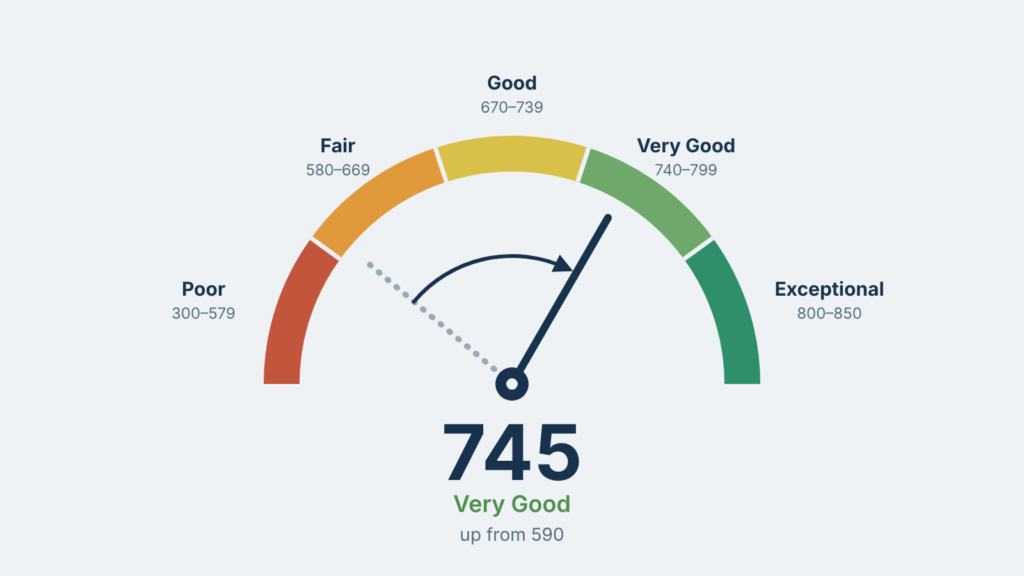
How to improve your credit score. A credit score is a three-digit number that quietly shapes many money decisions. Lenders use it to decide whether to approve a loan and what interest rate to charge. Landlords, insurers and some employers may also look at your credit history, depending on the country. If you want to improve your credit score, the good news is that the process is not mysterious. It mostly comes down to a handful of habits you can start today.
Credit scores do not change overnight, and no honest adviser can promise a specific number of points. But with consistent effort, most people can move in the right direction. This guide explains how scores work and gives you 10 practical steps, followed by a clear note on which advice is universal and which depends on your country.
Table of Contents
- What is a credit score and how is it calculated?
- 10 steps to improve your credit score
- How long does it take to improve your credit score?
- Mistakes that can hurt your credit score
- Worldwide advice vs. country-specific rules
- Frequently asked questions
- Conclusion
What Is a Credit Score and How Is It Calculated?
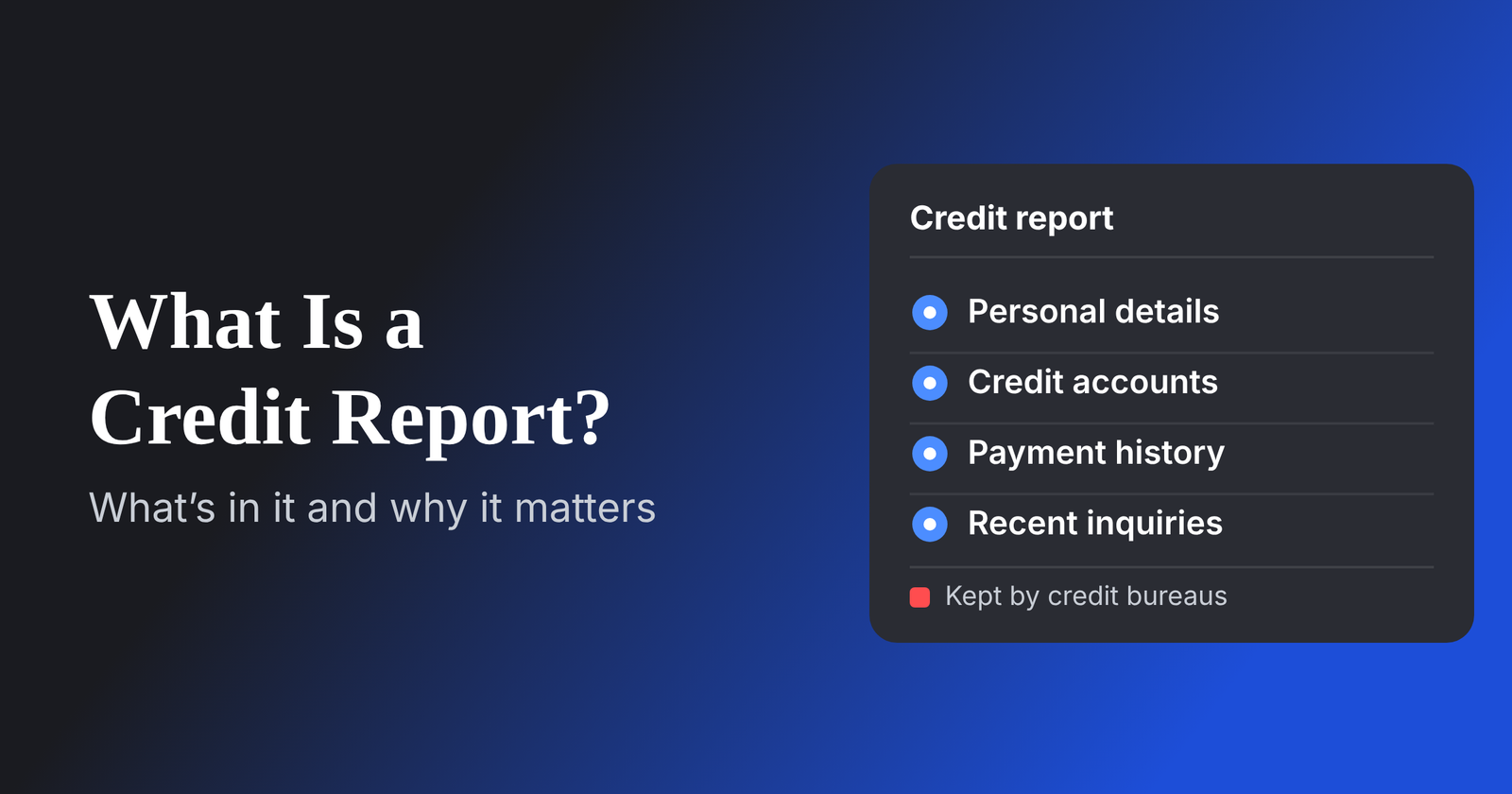
A credit score is a number that estimates how likely you are to repay borrowed money. It is built from the information in your credit report, which records your credit accounts, balances and payment behaviour.
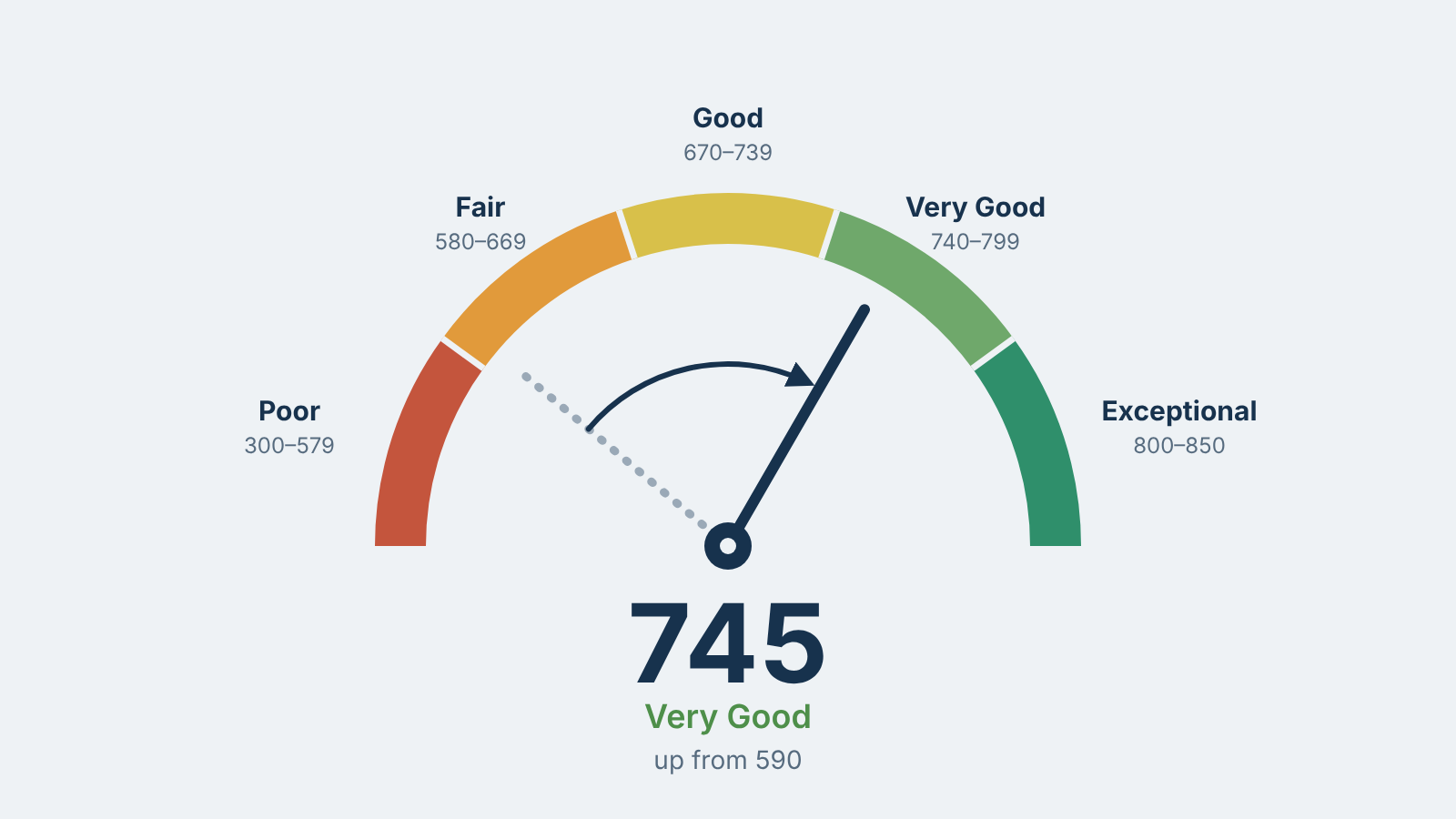
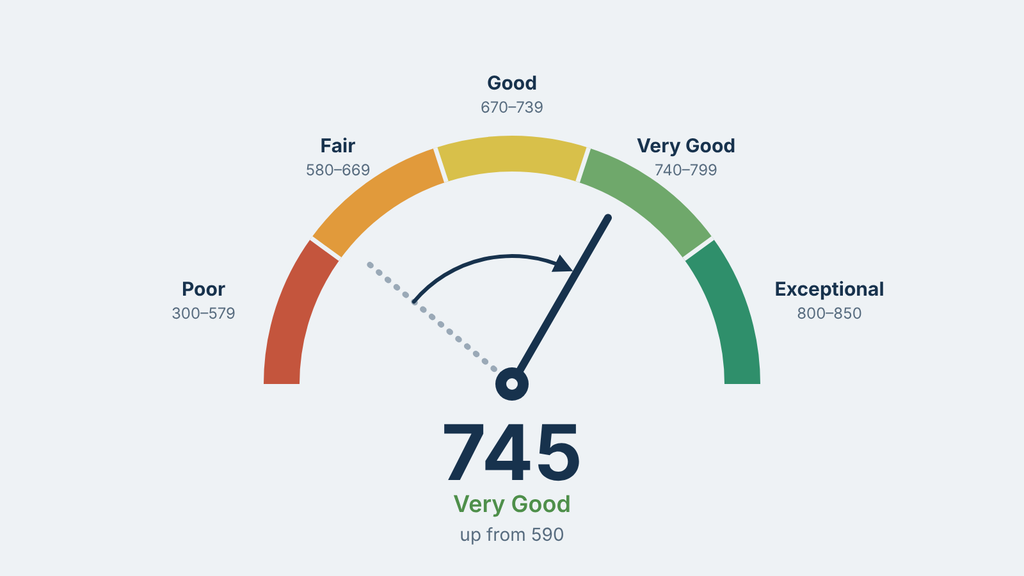
Scoring systems differ by country and by company. In the United States, for example, FICO scores range from 300 to 850, while India’s CIBIL score runs from 300 to 900. Each system uses its own formula, but most reward the same basic behaviours.
Because the FICO model is widely used, its published breakdown is a helpful guide. According to myFICO, FICO scores are calculated from five categories of information in your credit report:
| Factor | Approximate weight | What it means |
|---|---|---|
| Payment history | 35% | Whether you pay on time, and any late payments or defaults |
| Amounts owed | 30% | How much you owe, including how much of your available credit you use |
| Length of credit history | 15% | How long your accounts have been open |
| New credit | 10% | How recently and how often you apply for credit |
| Credit mix | 10% | The variety of credit you manage, such as cards and instalment loans |
Notice that two factors, paying on time and keeping balances low, account for roughly two-thirds of the score. That is where most of your effort should go.
10 Steps to Improve Your Credit Score
1. Get Your Credit Reports and Read Them Carefully
You cannot improve what you have not seen. Start by getting copies of your credit reports from the credit reporting agencies in your country. In the United States, federal law allows you to request a free report from each of the three nationwide agencies at least once every 12 months, and the only official source is AnnualCreditReport.com. Be careful of look-alike sites that push paid products.
Check that every account listed belongs to you, that balances and limits are correct, and that personal details such as your name and address are accurate.
2. Dispute Errors on Your Report to improve your credit score
Mistakes happen. An account may belong to someone with a similar name, a paid-off debt may still show as open, or a payment may be wrongly marked late. Errors like these can drag your score down for no good reason.
If you find a mistake, contact the credit reporting agency and the lender that supplied the information. Explain the error in writing, attach copies (never originals) of supporting documents and keep a record of everything you send. Agencies are generally required to investigate disputes, although the timeframe and process depend on local law.
3. Pay Every Bill on Time
Payment history is the largest single factor in the FICO model, so this step matters more than any other. In the United States, lenders usually report a payment as late once it is 30 days past due. A single late payment can stay on your report for years, and its damage tends to fade slowly as time passes.
These habits make on-time payment easier:
- Set up automatic payments for at least the minimum amount on every account.
- Use calendar reminders a few days before each due date.
- Align due dates with payday. Many lenders will let you change your due date on request.
- Build a realistic budget so you always know bills are covered. Our guide on how to create a monthly budget shows you how.
If you have already missed a payment, bring the account up to date as soon as possible. If the missed payment was a one-off, ask the lender whether it will consider removing the late mark as a goodwill gesture. They are not obliged to, but some will.
4. Lower Your Credit Card Balances
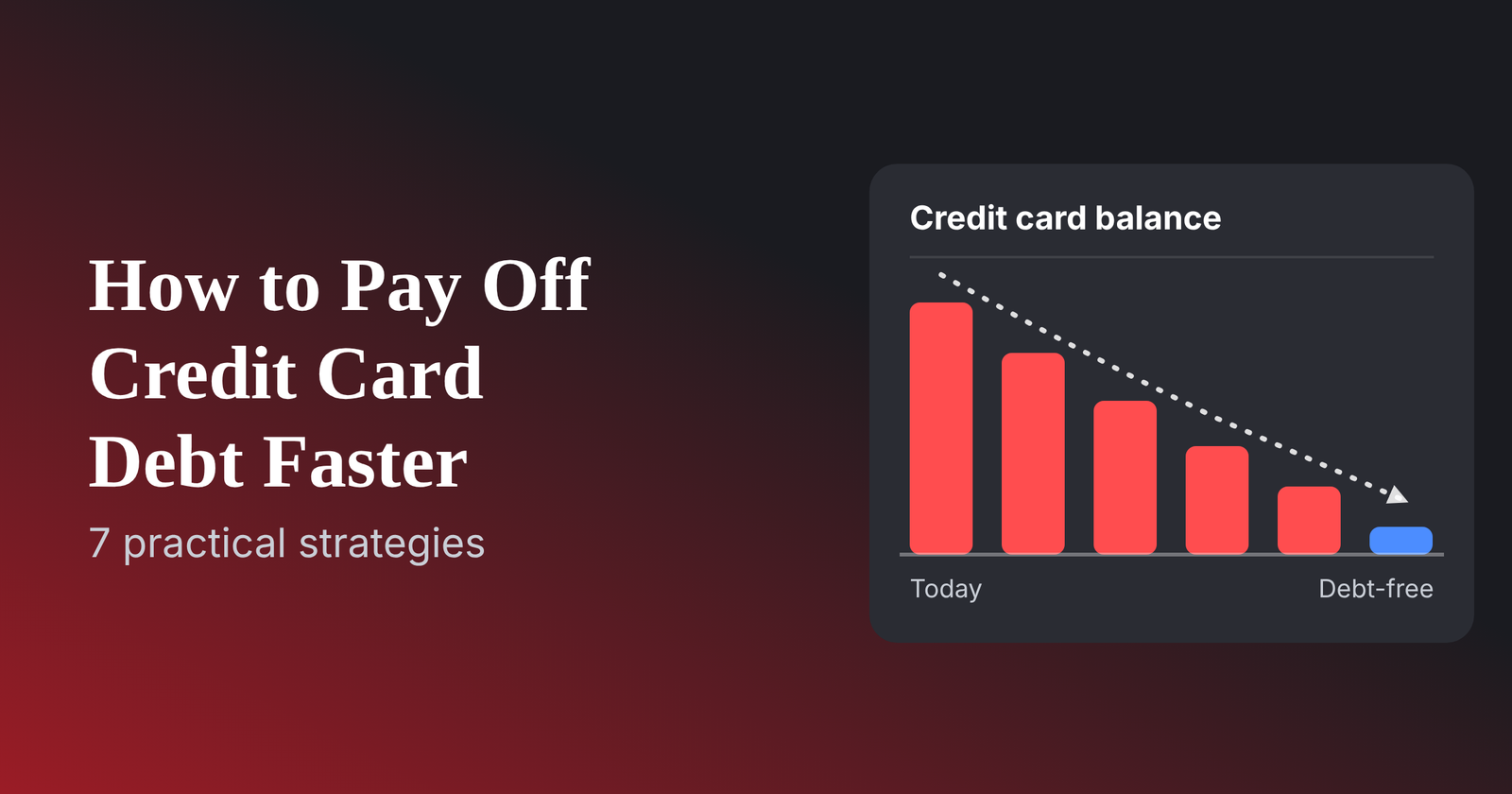
The second-largest factor is how much you owe. For credit cards, the key measure is credit utilization: the share of your available credit that you are using. If your cards have a combined limit of 10,000 and you carry 4,000, your utilization is 40%.
A widely repeated guideline, which US consumer agencies have included in their credit advice, is to stay at or below about 30% of your limit. Lower is generally better. Ways to reduce utilization include:
- Paying down balances, starting with the card that has the highest utilization or the highest interest rate
- Making payments more than once a month so the balance reported to the agencies is lower
- Avoiding new purchases on cards you are trying to pay down
If you are struggling with debt, our guide on how to save money on a low income offers ways to free up cash for repayments.
5. Do Not Max Out Any Card
Even if your overall utilization is acceptable, a single card close to its limit can look risky. Spread your spending across cards, or pay the balance early, so no individual card is stretched. Never go over your credit limit, because fees and penalties can add to the damage.
6. Keep Old Accounts Open When It Makes Sense
Length of credit history makes up around 15% of the FICO model, so older accounts help. Closing an old credit card can shorten your average account age over time and reduce your total available credit, which may push your utilization higher.
If an old card has no annual fee,improve your credit score consider keeping it open and using it for a small purchase every few months, then paying it off in full. Close accounts only when the fees outweigh the benefits or when they tempt you to overspend.
7. Apply for New Credit Sparingly
Each time you apply for credit, the lender usually runs a “hard inquiry” on your report. A single inquiry typically has a small, short-lived effect, but many applications in a short time can suggest financial stress. Apply only for credit you need, and when comparing loan offers, look for lenders that offer a “soft check” or prequalification tool that does not affect your score.
Rate shopping for a single mortgage or car loan is usually treated differently from applying for several unrelated cards, but the rules vary by scoring model and country.
8. Do Not Borrow Just to Improve Your Credit Mix
Credit mix counts for about 10% of the FICO model. It can help to show you can manage different kinds of credit, such as a credit card and an instalment loan. But it is not worth taking on debt you do not need just to diversify. Interest costs would likely outweigh any small score benefit. If you need a loan anyway, handling it well will naturally improve your mix.
9. Use Credit-Building Tools If You Have a Thin or Damaged File
If you have little or no credit history, or you are rebuilding after problems, some tools can help:
- Secured credit card: You put down a refundable deposit that usually becomes your credit limit. Use it for small purchases and pay in full each month.
- Credit-builder loan: A small loan where the money is held in an account while you make payments, and is released to you at the end. Your on-time payments are reported to the agencies.
- Authorised user status: A trusted person with good credit adds you to their card. Their history may appear on your report, but only if the lender reports authorised users, and their missed payments can hurt you too.
- Rent and utility reporting: In some countries, services exist that report your on-time rent or bill payments. Availability and scoring impact vary.
Before using any product, read the fees and confirm that the lender reports to the main credit reporting agencies. A credit-building product that reports nothing will not help your score.
10. Deal with Past-Due Accounts and Collections Carefully
Unpaid debts that go to collection can seriously damage your score. If you have a past-due account:
- Contact the lender before the situation gets worse. Many offer hardship plans, payment arrangements or lower interest.
- Ask for any agreement in writing before you pay.
- Verify that a collection debt is genuinely yours and that the amount is correct. Debt collection rules differ by country, so check your local consumer protection agency.
- Keep records of every payment and letter.
In the United States, most negative items stay on a credit report for up to seven years, while some, such as certain bankruptcies, can last longer. Time limits vary elsewhere, so check your local rules.
How Long Does It Take to Improve Your Credit Score?
There is no fixed timeline. Some changes can show up within a month or two. For example, paying down a high credit card balance may lower your utilization as soon as the lender reports the new balance. Other improvements, such as building a longer history of on-time payments or recovering from serious delinquencies, take many months or years.
Your starting point matters too. Someone with a thin credit file may see movement quickly, while someone recovering from a default needs patience. Focus on habits rather than on a target number, and check your reports regularly to track progress.
Mistakes That Can Hurt Your Credit Score
- Paying only the minimum and ignoring the balance. Minimum payments keep you current but can leave utilization high for a long time.
- Closing your oldest card without thinking. It can reduce your credit history length and available credit.
- Applying for many cards at once. Multiple hard inquiries in a short period can signal risk.
- Ignoring small bills. Even a small unpaid bill, such as a medical charge or a phone account, can end up in collections.
- Paying a “credit repair” company for miracle fixes. Companies that promise to delete accurate negative information or guarantee results are a red flag. You can dispute errors yourself for free.
- Co-signing without understanding the risk. If the other person misses payments, your credit is affected.
Worldwide Advice vs. Country-Specific Rules
The core principles apply almost everywhere: pay on time, keep balances low, check your reports for errors, borrow only what you need and give your history time to grow. Other details depend on where you live:
- Score names and ranges: FICO, VantageScore, CIBIL and other systems use different scales and formulas.
- Free report access: How often you can get free reports, and from whom, depends on local law.
- How long negative items remain: Reporting periods differ by country and by type of debt.
- Credit-building products: Secured cards and credit-builder loans are common in some countries and rare in others.
- Dispute and debt collection rights: Consumer protection rules vary, so check with your local regulator.
For official, general information about how scores work and how to improve them, the US government’s credit score guide is a good starting point. If you live outside the United States, look for the equivalent guidance from your national consumer protection or financial regulator. This article is general education, not personalised financial advice.
Frequently Asked Questions
What is the fastest way to improve your credit score?
For many people, the fastest improvements come from two actions: paying down high credit card balances to lower utilization, and correcting errors on the credit report. Both can show results within a billing cycle or two. Building a strong payment history takes longer but has the biggest lasting effect.
Does checking my own credit score lower it?
Checking your own score or report is typically a “soft inquiry” and does not hurt your score. Hard inquiries, which occur when a lender reviews your file because you applied for credit, can have a small temporary effect.
Is it better to pay off a credit card or keep a small balance?
You do not need to carry a balance to build credit. The best approach is to use the card, then pay the statement balance in full whenever you can. This keeps utilization low and avoids interest charges.
Will closing a credit card hurt my score?
It can. Closing a card reduces your total available credit, which may raise your utilization, and it may shorten your average account age over time. If the card has no annual fee and you are not tempted to overspend, keeping it open is often the better choice.
How can I improve my credit score with no credit history?
Start with a secured credit card or a credit-builder loan, make small purchases, and pay on time every month. Check that the provider reports to the credit agencies. Over several months, you will build a record that scoring models can use.
Do I need to pay a credit repair company?
Usually no. Many of the steps a credit repair company advertises, such as requesting your reports and disputing errors, are things you can do yourself for free. Be cautious of any company that guarantees results or asks for large upfront fees.
Conclusion
To improve your credit score, focus on the basics that carry the most weight. Check your credit reports and fix any errors, pay every bill on time, keep your card balances low, avoid unnecessary applications and give your accounts time to age. If your credit file is thin or damaged, use simple tools like a secured card or a credit-builder loan, and read the terms first.
Progress is rarely instant, but it is real. Each on-time payment and each lower balance adds up, and a stronger credit profile can open the door to better loan terms and lower costs in the future. Pick two or three steps from this list and start this week. If you want a clear plan for the monthly bills behind those payments, begin with our guide to creating a monthly budget.