
If you want to pay off credit card debt faster, the first thing to know is that you do not need a high income or a perfect plan to make real progress. You need clarity about what you owe, a method you can stick with, and a few smart habits that stop interest from quietly swallowing your payments.
This guide explains seven practical strategies to pay off credit card debt faster, with a worked example, common mistakes and answers to frequent questions. The principles apply worldwide, but rules on interest, fees, credit reports and debt help differ from country to country, so we flag those differences as we go. This article is general education, not personal financial, legal or tax advice.
Table of Contents
- Why It Matters to Pay Off Credit Card Debt Faster
- Step Zero: Know Exactly What You Owe
- 7 Practical Strategies to Pay Off Credit Card Debt Faster
- Snowball vs. Avalanche: Which Method Fits You?
- Worked Example: Pay Off Credit Card Debt Faster With Extra Payments
- Common Mistakes to Avoid
- Scams and Warning Signs
- Worldwide Advice vs. Country-Specific Rules
- Frequently Asked Questions
- Conclusion
Why It Matters to Pay Off Credit Card Debt Faster
Credit cards are convenient, but carrying a balance is usually one of the most expensive ways to borrow. Interest is charged on what you still owe, so the longer a balance sits, the more you pay for the same purchases. This is the effect described in our guide to compound interest: when interest is added to a balance, the next round of interest is charged on the larger total.
There are other good reasons to move quickly:
- Lower total cost. Every month you take off your plan is one less month of interest.
- More breathing room. Once the balance is gone, the money that went to repayments is free for savings or other goals.
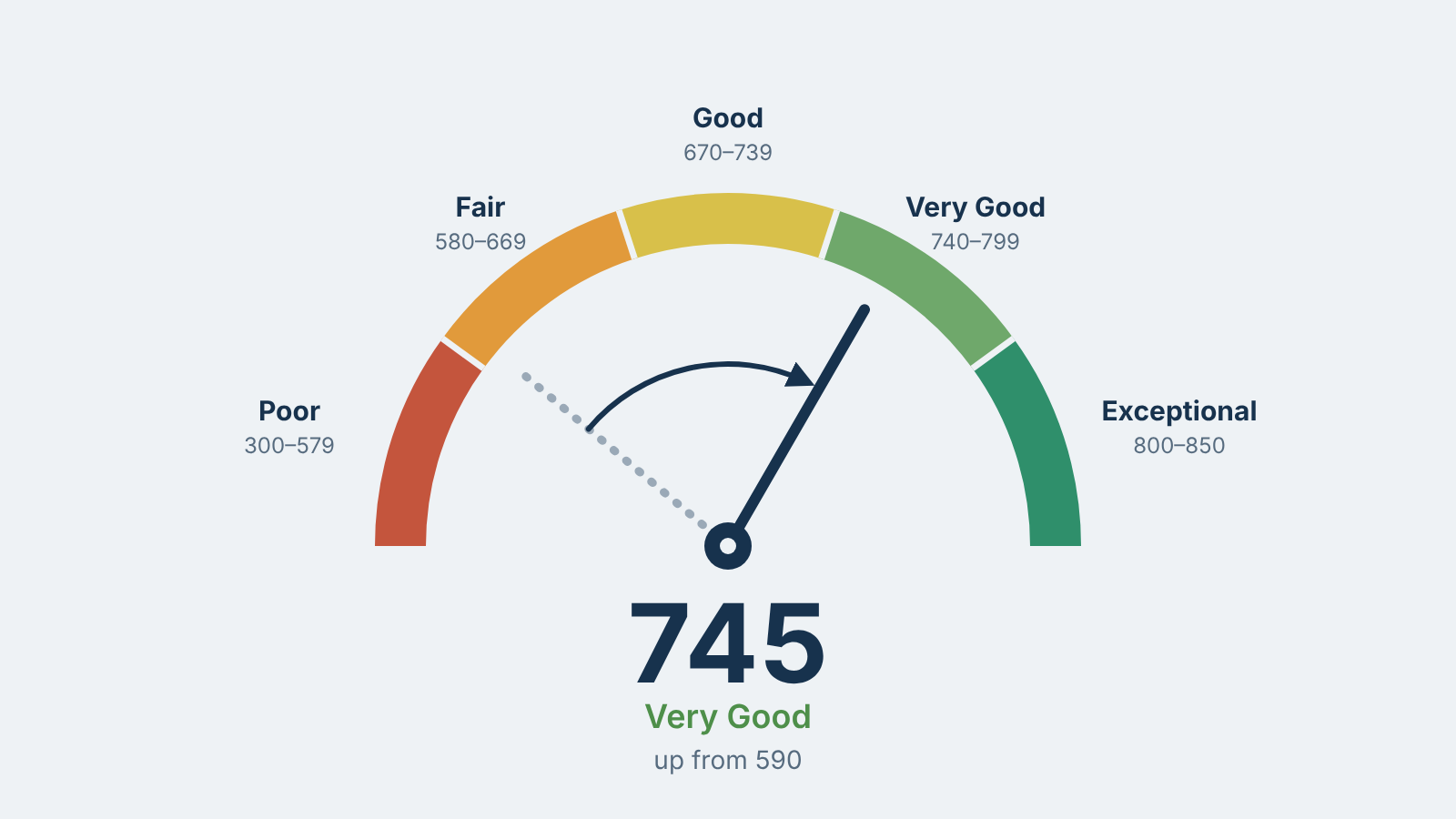
- A healthier credit profile. In many countries, using a large share of your available limit can weigh on your credit score. Our guide on how to improve your credit score explains why.
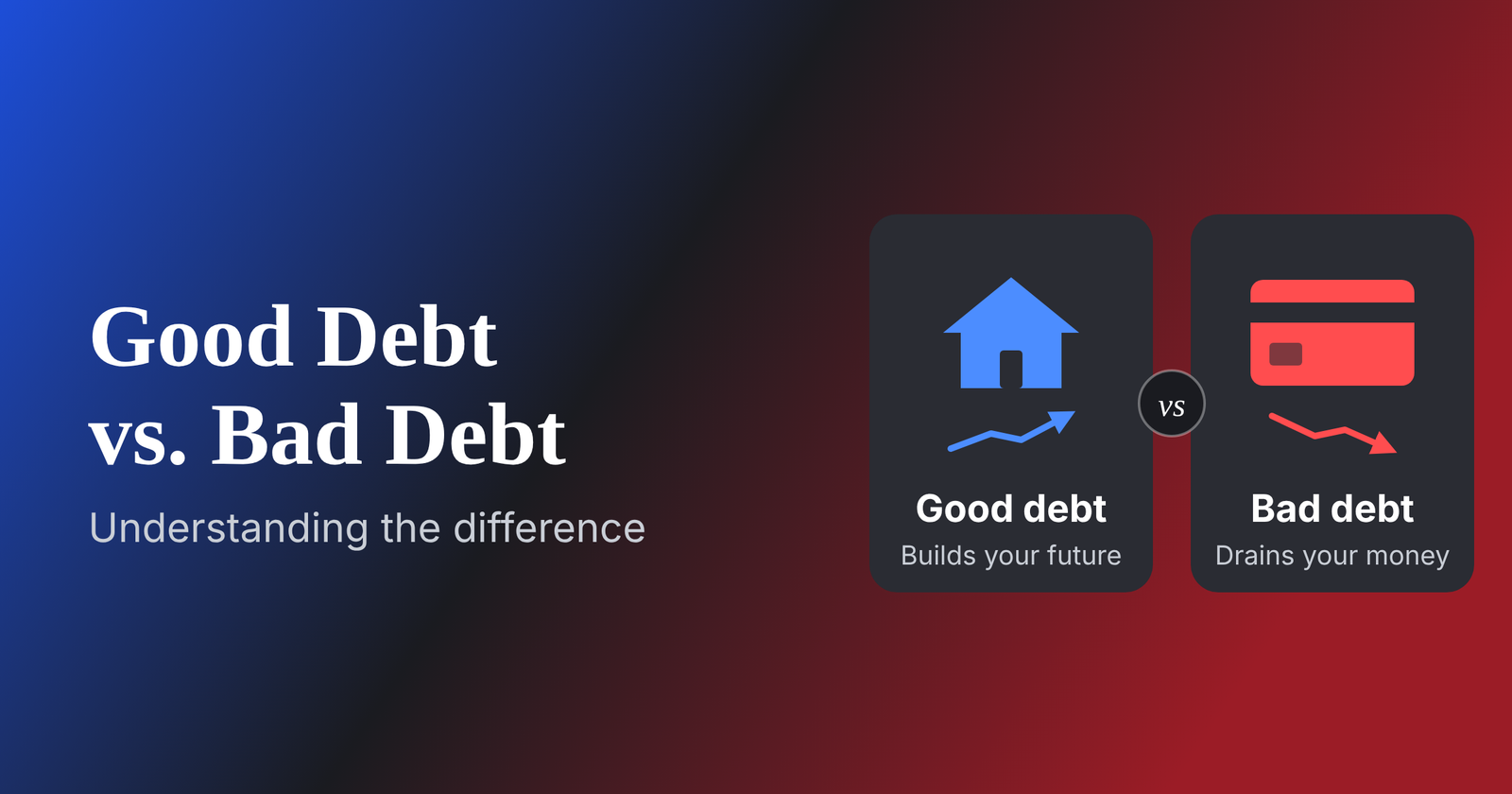
Not all borrowing is equal. If you are unsure how card debt compares with other types of borrowing, read our explainer on good debt vs bad debt. High-interest card balances usually sit firmly in the second group.
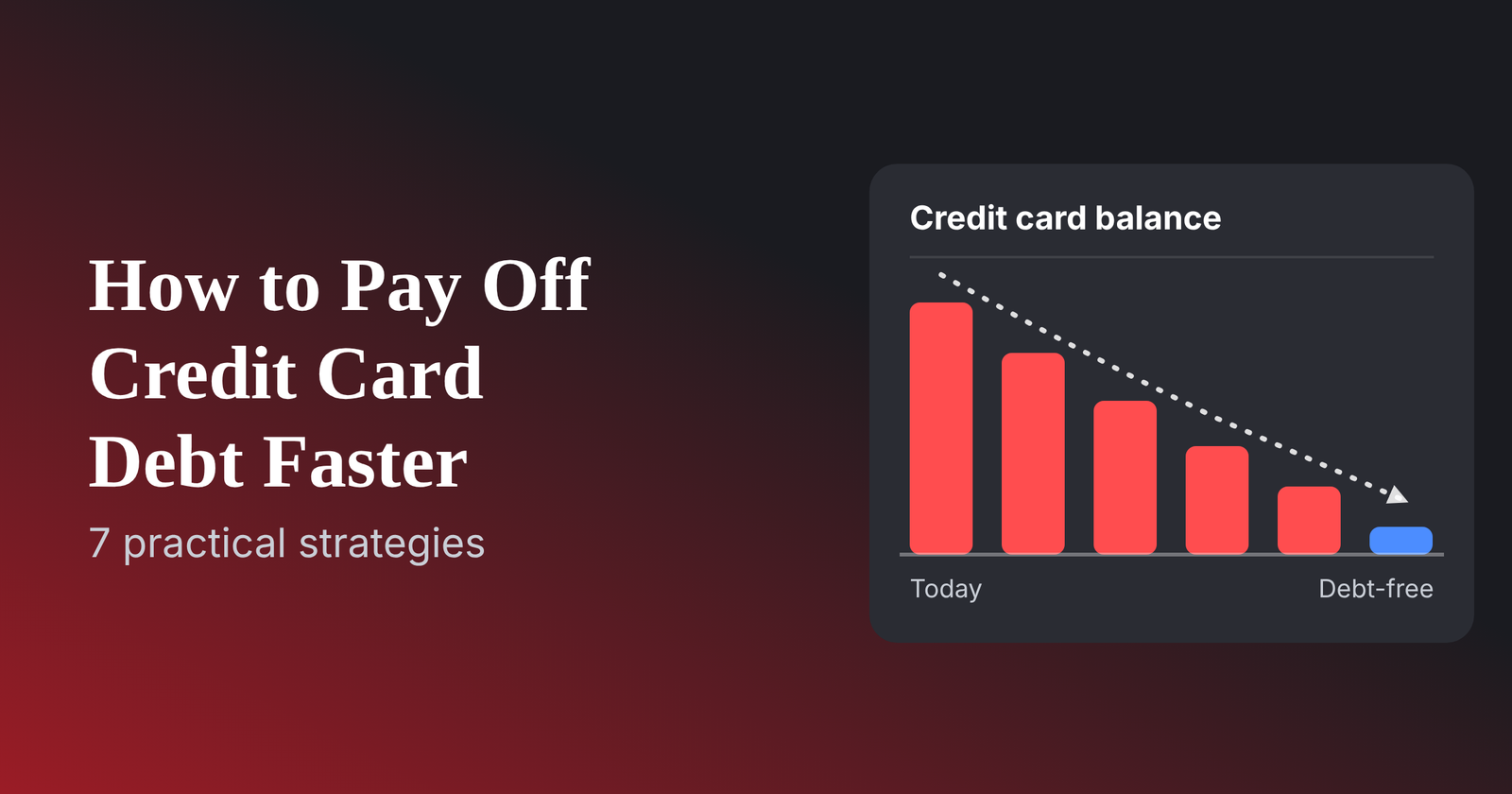
To pay off credit card debt faster, you will almost always do two things: pay more than the minimum and reduce the interest working against you. The strategies below combine both.
Step Zero: Know Exactly What You Owe
Before choosing any method, list every card. For each one, write down:
- The current balance
- The interest rate (often shown as APR)
- The minimum payment
- The due date
- Any annual or other fees
Check your latest statements or online accounts. Add up the total balance, then add up your minimum payments. That monthly figure is your starting point, and this list is the foundation of any plan to pay off credit card debt faster.
Minimum payments are designed to keep your account in good standing, not to clear the balance quickly. On many cards the minimum is a small percentage of the balance, so it falls as the balance falls, which can stretch repayment over many years. Always check your own card terms to see how yours works.
7 Practical Strategies to Pay Off Credit Card Debt Faster
Strategy 1: Build a Plan to Pay Off Credit Card Debt Faster
A plan starts with a budget. Work out your monthly income, essential costs and the amount you can realistically put toward debt. If you have never done this, follow our step-by-step guide on how to create a monthly budget.
Pay every minimum on time, then decide how much extra you can add. Even a small, steady amount helps because it is applied every single month. Set a target date for becoming debt-free.
Strategy 2: Pay More Than the Minimum, Every Month
Whatever you pay above the minimum goes toward reducing the balance that interest is calculated on. Set up automatic minimum payments on every card, then make a manual extra payment toward one target card. Automation protects you from late fees and missed-payment marks, which can damage your credit record in many countries.
Strategy 3: Choose a Payoff Method
Two approaches are widely taught by consumer-finance educators. Both involve paying the minimum on every card and sending all spare money to one target card:
- Debt avalanche: target the card with the highest interest rate first. This usually costs the least in total interest.
- Debt snowball: target the smallest balance first. Early wins can keep you motivated.
When one card is cleared, roll its full payment into the next target card. Your payments grow as each balance disappears. Both can help you pay off credit card debt faster when you stay consistent. We compare them in more detail below.
Strategy 4: Cut Spending and Redirect the Savings
Extra payments need to come from somewhere. Start with costs you barely notice, such as unused subscriptions, delivery fees and impulse purchases. Our list of 15 everyday expenses you can cut is a practical place to begin. Then move the saved amount to your debt on the same day each month so it does not drift into general spending.
Strategy 5: Increase Your Income, Even Temporarily
Cutting costs has a floor, but earning more does not. Options include extra shifts, freelance or seasonal work, selling items you no longer use, or asking for a pay review. For many people, a short burst of extra income applied entirely to debt helps them pay off credit card debt faster than months of tiny savings.
Treat windfalls such as bonuses or refunds the same way and decide in advance how much goes to your cards. Extra income may have tax consequences, so check official guidance in your country.
Strategy 6: Look at Lower-Interest Options Carefully
Lowering your interest rate means more of each payment reduces the balance instead of paying interest. Three common routes are:
- Ask your card provider. You can ask about a lower rate or a temporary hardship arrangement. They may say no, but asking is free. If you cannot meet a minimum payment, contact your provider early rather than waiting until you miss it.
- A balance transfer card. Some providers offer a low or 0% introductory rate on transferred balances. A transfer fee usually applies, and according to the US Consumer Financial Protection Bureau, a fee can be charged even on a zero percent offer. The introductory period also ends, so see how long a low introductory rate can last before you commit.
- A consolidation loan. A personal loan can replace several card balances with one fixed repayment, sometimes at a lower rate. Read what is a personal loan first, and compare the total cost, including fees and the loan term. A longer term can lower the monthly payment but increase total interest.
For example, in a hypothetical case, moving a balance of 3,000 with a 3% transfer fee adds 90 (3,000 × 0.03), so the new balance starts at 3,090. The transfer only helps if the interest you avoid is clearly greater than the fee.
Strategy 7: Stop Adding to the Balance
Paying down a balance while adding new purchases is like bailing out a leaking boat. Consider pausing use of the card, removing it from online stores and digital wallets, and using cash or a debit card for everyday spending.
Once the balance is cleared, aim to pay the full statement balance each month so you avoid interest, and build a small emergency fund so a surprise bill does not go straight back onto the card.
Snowball vs. Avalanche: Which Method Fits You?
| Feature | Debt Avalanche | Debt Snowball |
|---|---|---|
| Target order | Highest interest rate first | Smallest balance first |
| Main benefit | Usually the lowest total interest | Quick wins and motivation |
| Possible drawback | First card may take longer to clear | Can cost more interest overall |
| Best for | People motivated by saving money | People motivated by visible progress |
Neither method is “best” for everyone. Mathematically, the avalanche usually costs less. In real life, the best method is the one you will keep following, because consistency is what helps you pay off credit card debt faster. Some people start with a snowball to clear a tiny balance, then switch to the avalanche.
Worked Example: Pay Off Credit Card Debt Faster With Extra Payments
The numbers below are hypothetical and for illustration only. Suppose you have one card with a balance of 3,000 at an interest rate of 24% a year (a made-up rate). Interest is charged monthly at 2% (24 ÷ 12), and you make no new purchases.
In the first month, interest is 3,000 × 0.02 = 60. If you pay 150, only 90 reduces the balance. If you pay 250, 190 reduces it. That difference compounds over time.
| Monthly payment | Approx. time to clear | Approx. total interest | Approx. total paid |
|---|---|---|---|
| 150 | About 26 months | About 870 | About 3,870 |
| 250 | About 14 months | About 465 | About 3,465 |
By adding just 100 a month, you finish about 12 months sooner and pay roughly 405 less in interest (870 − 465). Results are rounded and approximate. Real cards may calculate interest daily or change minimums, fees and rates, so use a repayment calculator for your own figures.
Common Mistakes to Avoid
These habits most often hold back people who want to pay off credit card debt faster:
- Paying only the minimum. It keeps the account current but can keep you in debt for years.
- Moving a balance without reading the terms. Check the fee, the length of the introductory period and the rate that applies afterwards.
- Closing accounts in a rush. In some credit systems this can affect your score, so check how it works where you live.
- Using one card to pay another without checking fees and rates.
- Draining your emergency fund completely. Without a small buffer, the next surprise cost goes back on the card.
- Giving up after one setback. A bad month is a pause, not a failure.
Scams and Warning Signs
Financial stress makes people targets. Be cautious of anyone who:
- Guarantees to erase or “settle” your debt for a fraction of what you owe
- Asks for large upfront fees before doing any work
- Tells you to stop talking to your creditors
- Pressures you to decide immediately or pay by gift card or cryptocurrency
Free or low-cost help is often available from nonprofit or regulated debt advice services. Check that any adviser is registered with your national regulator before sharing personal details.
Worldwide Advice vs. Country-Specific Rules
Some ideas work almost everywhere. Others depend on local law and banking systems.
| Worldwide principle | What varies by country |
|---|---|
| Pay more than the minimum | How minimum payments are set and shown on statements |
| Tackle high-interest debt first | Interest-rate limits, fees and rules on promotional offers |
| Build and follow a budget | How credit scores and credit reports work, if they exist at all |
| Seek help early if you struggle | Availability of free debt advice and formal insolvency options |
| Be careful with new borrowing | Tax treatment of income, refunds and any debt relief |
Because rules differ, check your national regulator or consumer protection agency. Readers in the United States can find general card information on the CFPB credit cards hub. Amounts in this article are shown without a currency symbol so they can apply anywhere. Please also read our disclaimer, and note that nothing here replaces advice from a qualified, regulated professional.
Frequently Asked Questions
What is the best way to pay off credit card debt faster?
For many people, the most reliable approach is to pay more than the minimum every month and send the extra to one target card. Choosing the avalanche or snowball method gives that extra payment a clear direction.
Should I use the snowball or avalanche method?
The avalanche usually costs less in total interest because it targets the highest rate first. The snowball may suit you if early wins keep you motivated. Either can help you pay off credit card debt faster, as long as you keep making the payments.
Is a balance transfer a good way to pay off credit card debt faster?
It can be, but only if the fee is smaller than the interest you would otherwise pay and you can clear the balance before the introductory rate ends. Transfer fees and promotional periods differ between providers and countries, so read the terms first. Avoid adding new spending to the card while you repay it.
Can a personal loan help me pay off credit card debt faster?
A personal loan may offer a lower rate or a fixed end date, which some people find easier to manage. Compare the total cost, including fees, and avoid running up the cleared cards again afterwards.
Will paying off credit card debt improve my credit score?
In many credit systems, lower balances compared with your limits can help your score over time, and on-time payments matter too. How scores are calculated differs by country and provider, so results are not guaranteed.
What if I cannot afford more than the minimum?
Contact your card provider early and ask what support is available. A nonprofit or regulated debt adviser may be able to help you plan.
Conclusion
You do not need to change your life overnight to pay off credit card debt faster. You need an accurate list of what you owe, a budget with a fixed extra payment, and a method you will keep using. Small, consistent actions matter more than a dramatic one-off effort.
Your next step to pay off credit card debt faster is simple: list your cards today, pick the snowball or avalanche method, and schedule your first extra payment. If you want to go deeper, start with our guide on how to manage your money better to keep your progress on track.
Check the rules in your own country, be wary of anyone promising instant fixes, and speak to a regulated adviser if you are unsure. With a clear plan, you can pay off credit card debt faster and put that money to work for your future instead.